According to the most recent epidemiological estimates, in 2023 the country recorded an incidence of about 233 cases of tuberculosis per 100,000 inhabitants, a constant level in recent years and well above the world average (about 102 per 100,000).
These figures translate into tens of thousands of new diagnoses each year. In Madagascar, it is estimated that there are more than 47,000 new cases and annual relapses of tuberculosis, with a mortality rate estimated at approximately 38 deaths per 100,000 people. The disease is particularly common in rural areas of the country, where access to health services is limited and where conditions such as malnutrition, HIV and poverty significantly increase the population's vulnerability to TB.
Malnutrition, in particular, is a critical risk factor: a weakened immune system makes people more susceptible to infection and progression to the active form of the disease. In addition, the spread of undiagnosed or untreated cases may contribute to continued transmission in the community.
.jpg)
Diagnosis and control: the current situation
Tuberculosis control in Madagascar is coordinated by National Tuberculosis Control Program (NTP), which is mainly based on passive case identification systems, i.e. individuals who seek health care when symptoms arise. However, limitations in surveillance systems and diagnostic facilities still result in significant difficulties in identifying and treating all people with TB in a timely manner.
In 2023, there was a case detection rate of about 64%, indicating that a significant proportion of people affected by the disease may not yet be reached by health services.
Why it's important to take action
Early diagnosis and comprehensive treatment are essential not only for individual healing, but also for interrupting the transmission of the disease in the community. Standard TB therapy requires an extended course of antibiotics (generally at least six months), and adherence to treatment remains a challenge in areas with limited healthcare.
GenExpert: an ally for faster diagnosis
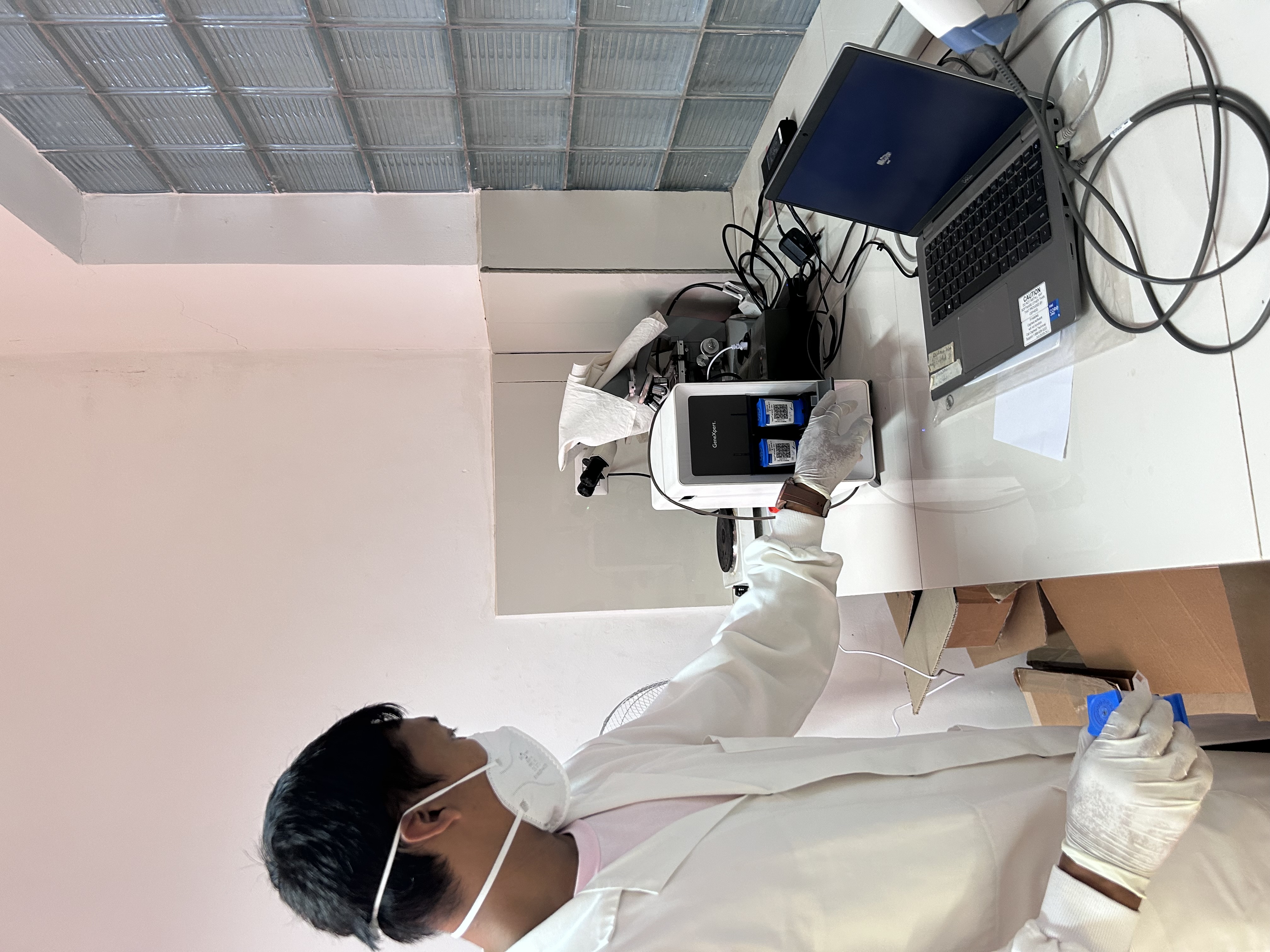
In this context, the use of modern diagnostic technologies such as GenExpert represents an important step forward. GenExpert is a molecular biology system capable of rapidly identifying the presence of Mycobacterium tuberculosis in clinical samples and of detecting key drug resistance, such as those to rifampicin, one of the main antibiotics used in anti-tuberculosis therapy.
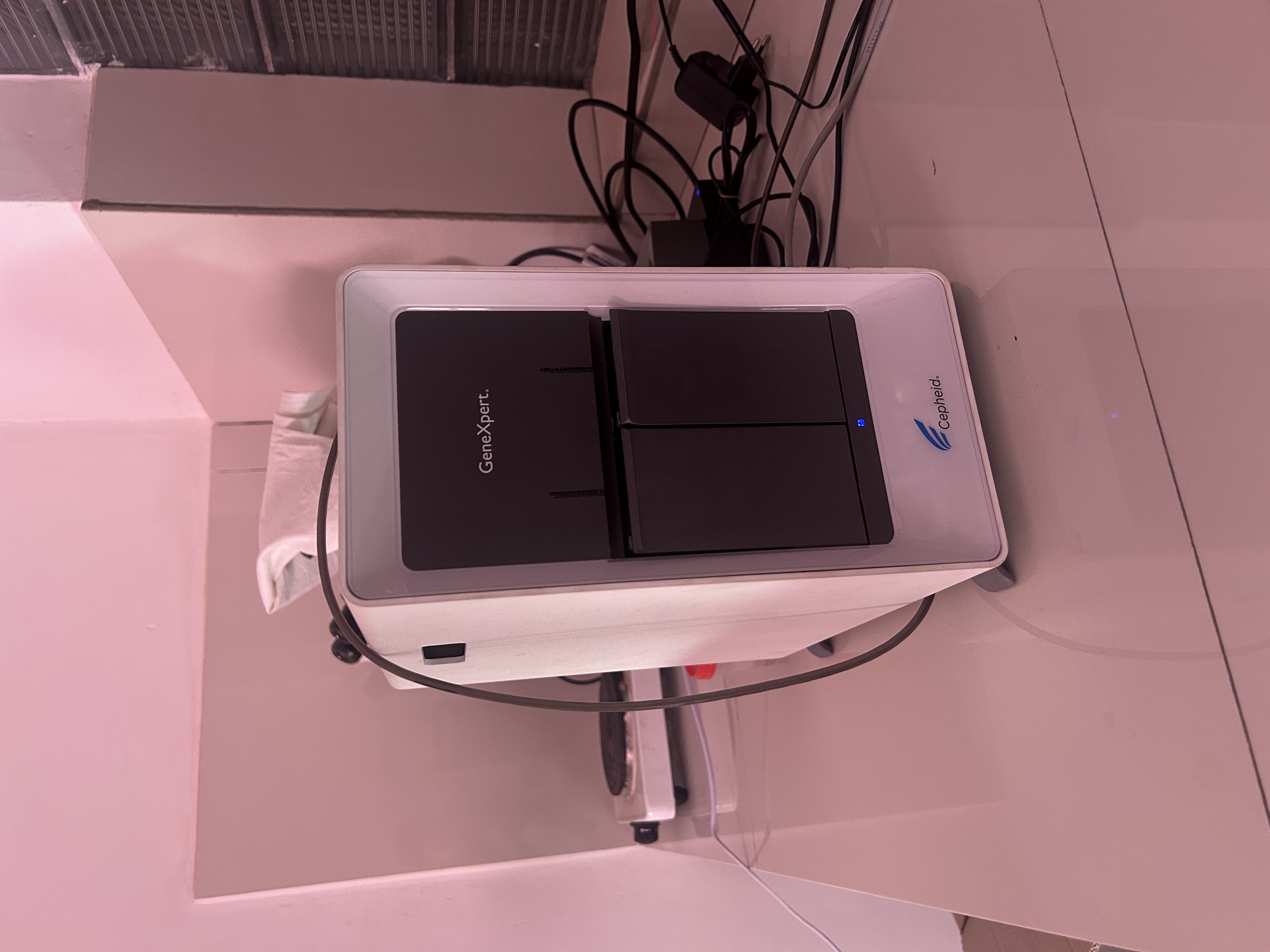
Thanks to a new slot obtained by Caritas Sant'Antonio, we are now able to expand the use of GenExpert in local healthcare facilities. This increase in diagnostic capacity makes it possible to get faster and more accurate results, improving the early identification of cases and allowing a timely start of treatment.
Investing in diagnostic tools such as GenExpert means Save lives, reduce community transmission and strengthen the capacity of the health system in Madagascar.